The fire that doesn't go out
I was trying to sleep in a tent on Iztaccíhuatl. I was cold and tired, forced into the fetal position because of the cold. My mind was spinning, and the altitude wouldn't let me sleep. I don't know why, but my whole life was put in front of me, every phase of it. I remembered things I hadn't thought about in years, and it wasn't pretty; I felt nostalgic, and I missed my family and friends.
I was quite worried about how tired I was. Guiding usually isn't a problem for me, but that week the work and the training had piled up like mountains of their own. A twelve-hour climb to 5,200 meters, taking care of people, didn't feel like something I would've chosen on my own. It felt like something that simply had to be done for the sake of my business. So there I was, alone in my tent, alone in the dark.
I reached for philosophy the way a man reaches for God when life gets rough. I said to myself, "Dear Crito, if the gods will it, so be it."
It sounds beautiful, and it is, when you say it willingly, but that night I was saying it to escape. Like a shipwrecked sailor, I was grabbing for anything that would keep me from sinking into tiredness, anger, and desperation, and it doesn't work that way. Philosophy has to be acted out, not reached for like a floating piece of wood. If I had lived that phrase instead of reciting it, I would have leaned into the pain instead of trying to make it go away.
Easier said than done. I'm writing this from my desk, after a good night's sleep, with a cup of coffee, and that doesn't give me the right to judge the man in the tent. He was a completely different animal. But this is what the desk is for, I guess, for reflection. Montaigne didn't use philosophy to avoid the hard moments. He came back to it afterwards, to understand them. A tired night, seen again through philosophy, becomes something worth looking at, just the way cinema can make the most ordinary thing beautiful.
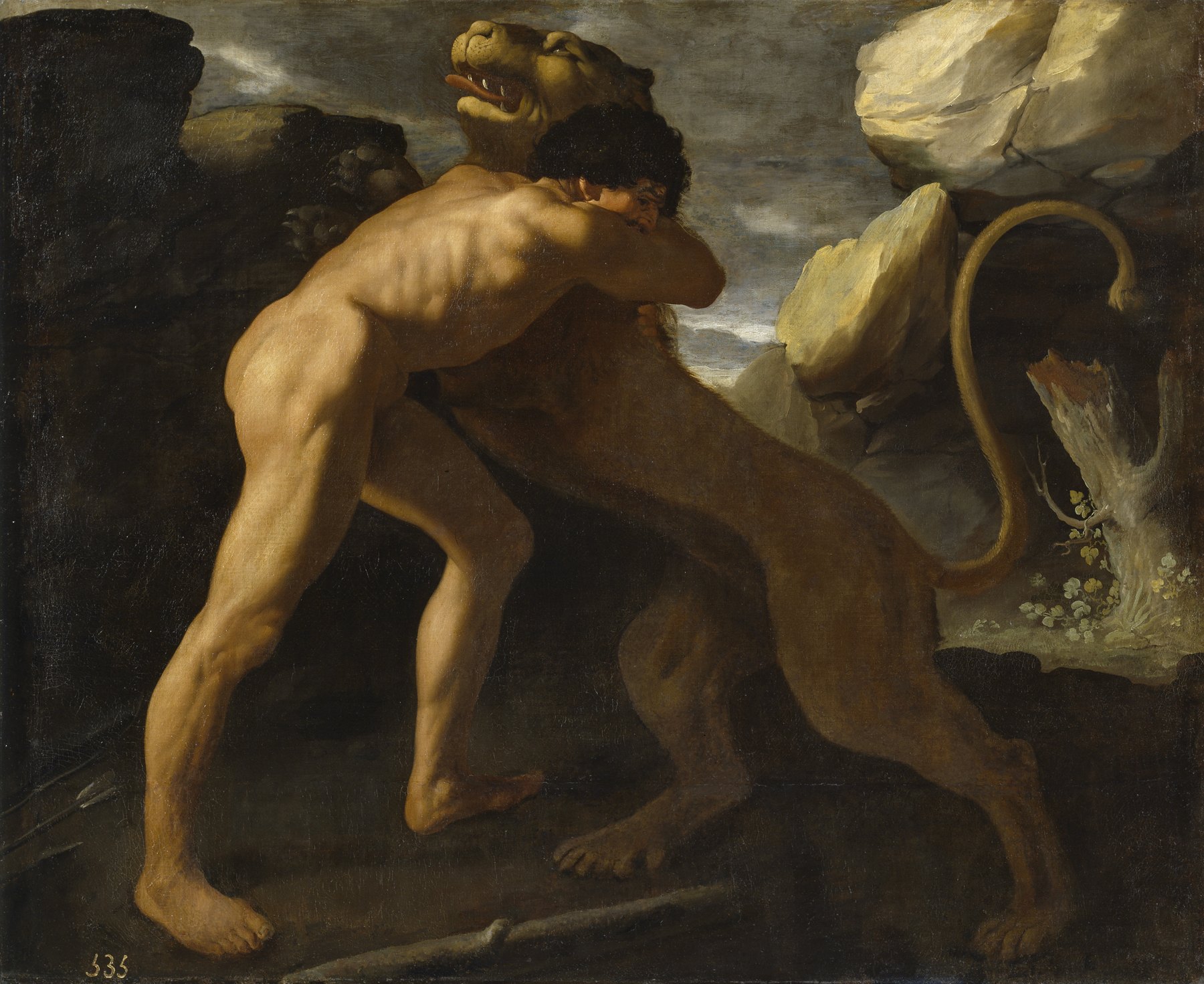
Epictetus asks:
What do you think Hercules would have become if there had been no lion, no hydra, no stag, no boar, and no cruel, savage men for him to drive out and clear away? What would he have done with nothing like that around? Isn't it obvious? He would have wrapped himself up in blankets and slept. First of all, he wouldn't have been Hercules at all, dozing his whole life away in comfort and ease. And even if he had been, what good would he have been? What use were his arms, his strength, his endurance and his great spirit, if nothing had ever come along to wake them up and put them to work?
So should a man go looking for these trials himself, and bring a lion, a boar or a hydra into his own country? That would be foolish, even mad. But since they existed and were there to be found, they were useful. They showed who Hercules was, and they trained him.
So you too, now that you've seen this, look at the strengths you have. Once you've looked at them, say: "Bring on whatever hardship you want, Zeus. You've given me what I need to make something honorable out of whatever happens."
Epictetus, Discourses 1.6
At midnight, the alarm went off, and other people's voices finished waking me. I got my gear ready, put on my boots, and opened the tent. My client was standing outside, pale as a ghost. He told me he felt like shit. From what he described, it was altitude sickness, and he couldn't go up.
I wasn't relieved. By then I was ready to face the whole test. I made him tea and electrolytes, but he didn't get better, and we didn't go up. We packed up the tents and drove back down to Mexico City at 1 am. It felt like a wicked test of my will. I had been ready for the lion, and the lion never came.
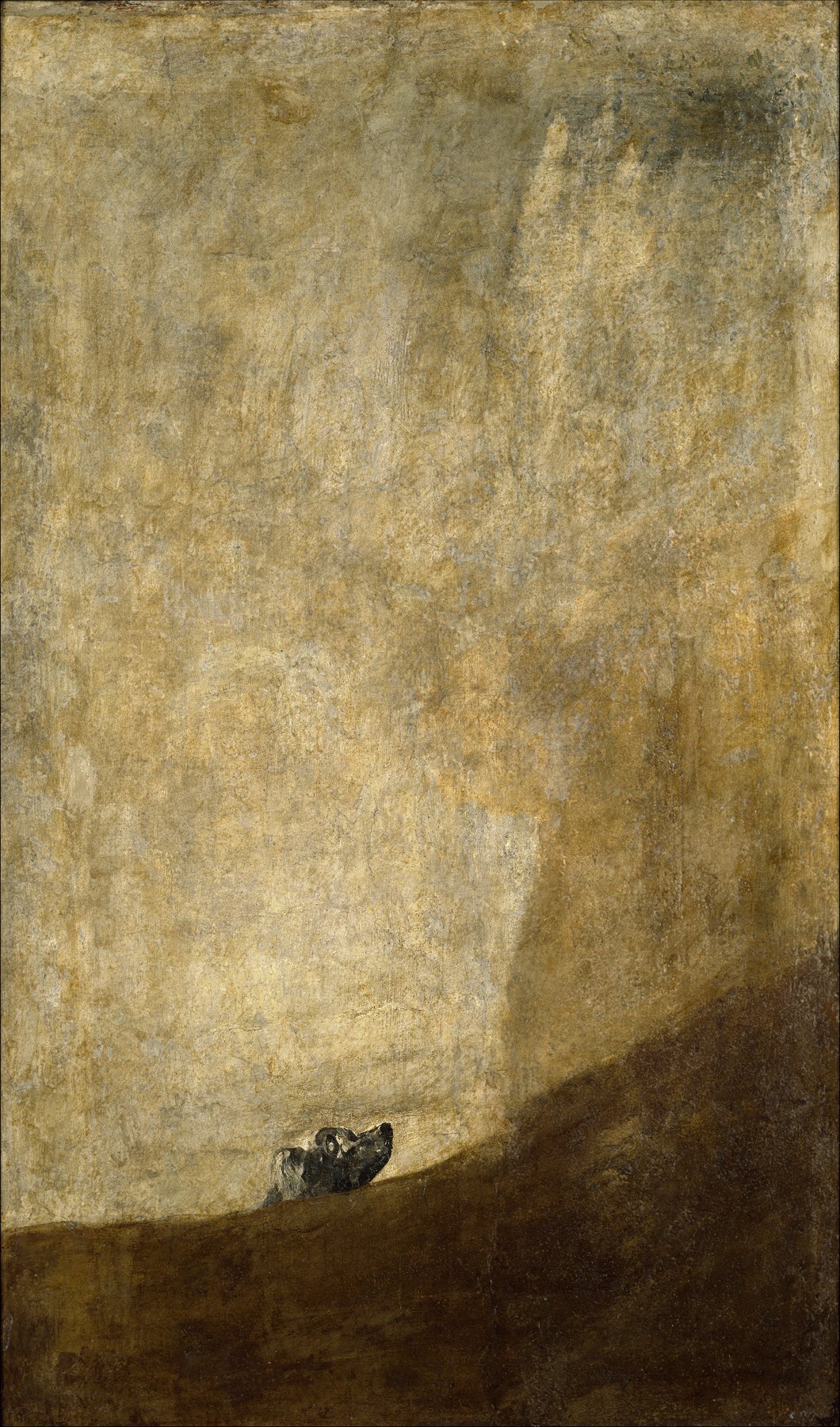
The Stoics have an image for this. A dog tied to a cart can't make the cart stop. It can walk beside it, or it can be dragged. That night I didn't choose the situation I found myself in. Nobody does. What I chose was not to break down. I helped where I was needed, and kept going.
I don't want to romanticize pain. I'd rather have my coffee. But life is painful in many ways, and there's no hiding from it. Sometimes the smells aren't great, nor the thoughts, nor the feelings, nor the situations, and we want out. There's nowhere to go if you're going to call yourself a man. There's no sense in wishing it were different. There is sense in leaning in and doing the best we can with the weakness of our flesh.
Maybe that's the fire that doesn't go out, the one Camus found: "In the midst of winter, I found there was, within me, an invincible summer." The willingness to stand up when the alarm goes off.

