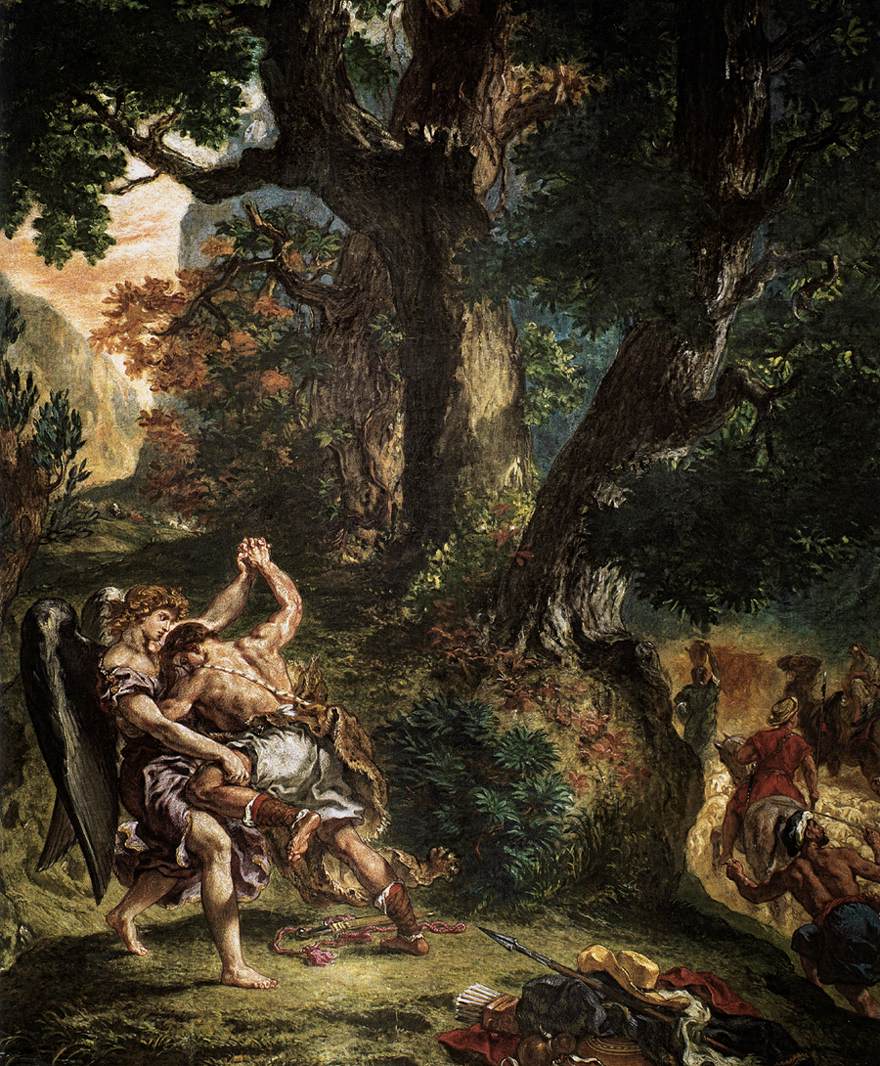
The Act of Confrontation
A dog attack I experienced recently opened up the idea of confrontation in my mind. Chatting with my brother, he told me he saw on some video that if you encounter a bear or a wild animal, the worst thing you can do is run; it is best if you stand still and face it. Imagine doing that with a grizzly bear. Where do you find the balls to do something like that?
The first time I was attacked by dogs in my adult life was about a year ago. I was riding my bike in the Chapultepec Forest in Mexico City, in the third section, one of the lonely parts of the park. I was the only one riding through its streets, listening to Red Hot Chili Peppers on a Saturday, and out of nowhere, I look to my left, and a pack of stray dogs is pursuing me. I was going uphill; I couldn’t get away easily. I started shouting and kept biking, with no room to make a U-turn.
In my mind, when I saw the angriest dog aiming for my leg, white saliva in her mouth, I was thinking, “Alright, this isn’t a drill; this is actually happening. What do I do?” I began shouting and kept biking, but it wasn’t until the bitch bit me that I instinctively kicked her in the face. They separated just enough for me to make the U-turn and escape.
It was exhilarating. I thought I had escaped unscathed, but when the adrenaline rush lowered, I looked at my leg and noticed the blood dripping. I got seven rabies shots after.
What was interesting about that attack was that I didn’t have time to think. It all happened so fast.
A year later, last week, I was running through my neighborhood, and I heard some dogs inside a house. Their owner had just arrived, and the gate hadn’t closed yet. As luck would have it, I was passing by right at that moment. There were three dogs, but only one got out. It started coming after me. But this time, I had a small moment of reflection. I remembered my brother’s advice. I turned around and held up both hands, yelling, “Stop!” It worked. The dog barked, as if to keep a bit of his pride, but then turned around and ran back to his house.
I am interested in the moment of decision, the moment you choose to stand there and face it instead of running. What happens during that moment? How does one arrive at the conclusion that it is better to face this thing? And then actually doing so?
In my case, I will say it was a combination of logic and age. I got nervous, but not as nervous as I would have when I was younger. And I knew that if I ran, the dog would bite me as a reward for my cowardice; I just knew the bloody dog would even enjoy it. So I intuited that facing the dog was the better option.
What is interesting is that while I was sure it would bite me if I ran, I was not sure it wouldn’t bite me if I stayed. Having to fight the dog off was a real possibility. But it ran away, and it felt amazing, not because I won, but because of the decision to face it in spite of the consequences. In fact, the consequences were necessary for it to feel great. Without the risk, there is no courage that can be acted upon. Without the possibility of getting bitten, turning around means nothing.
“I lacked the courage then to fight with you, as you attacked. But my heart prompts me now to stand against you face to face once more, whether I kill you, or you kill me.” Hector, The Iliad
This dilemma is as old as the human race. It is the most important topic in the Iliad. You are changed when you decide to face something. Facing something is its own reward. It is an act of freedom. Life is not going to let you be free of many things, like where you were born, whether dogs chase you, or whether things work out or not. But the decision to face them is still yours. And to take that decision is a kind of triumph, a fist thrown in the air, reclaiming what is rightfully yours, a kingly decision. Not destiny, but your emboldened attitude to face it and meet God in the eye.
I don’t want this to sound harder than it is, because it doesn’t need to be. It only requires a positive answer to one question: are you going to deal with this?
You can act stupidly if you are always choosing to fight. That is not what I mean. What I mean is that you choose to deal with life as it is. Sometimes, like cunning Odysseus, you will have to play the beggar, or hide, or wait. But this is not cowardice; it is playing your part as life requires it. The decision to play is what interests me.
We tend to think that confrontation only happens in the outside world and that it always involves some kind of fight. But the decision to run or to face something happens constantly. It happens on Sunday, with the Sunday scaries, when you don’t want to face your job. It happens before a meeting with a client, when you still have no results but you still have to show up. It happens in your own house, with the people you love, when the conversation is difficult and you’d rather say nothing.
The movies always show the guy who won. The hero who faced the thing and came out the other side with a scar and a story. But they don’t show the guy who faced it and lost. Confrontation has real costs. You can lose. You can die. This is not a game where the ending is written in advance.
And yet.
We act as if we are going to live forever. We make small, safe choices. We avoid the conversation, the risk, the phone call, and the leap, as if by avoiding enough things, death won’t find us. But it will. The dog is already chasing you. It has been chasing you since you were born.
Montaigne wrote that to philosophize is to learn how to die. I used to think that was morbid. Now I think it might be the most liberating sentence ever written. Because once you accept that you are going to die, not as an idea, but in your body, in your gut, the calculus of confrontation changes completely. What are you saving yourself for? What is the cowardice protecting?
Questions this essay answers
What is the Stoic way to face a fear instead of running from it?
I am interested in the moment of decision, the moment you choose to stand there and face it instead of running.
It only requires a positive answer to one question: are you going to deal with this?
Can there be courage without risk?
Without the risk, there is no courage that can be acted upon. Without the possibility of getting bitten, turning around means nothing.
Does facing life mean always choosing to fight?
You can act stupidly if you are always choosing to fight. That is not what I mean. What I mean is that you choose to deal with life as it is.

